Diversity, Inclusion, and Belonging (DIB) are essential components of a healthy, respectful, and productive workplace and of organizations committed to serving diverse communities effectively. Although these concepts are closely connected, each represents a distinct aspect of creating an environment where individuals are valued for who they are, have equitable opportunities to participate, and feel respected, supported, and accepted.
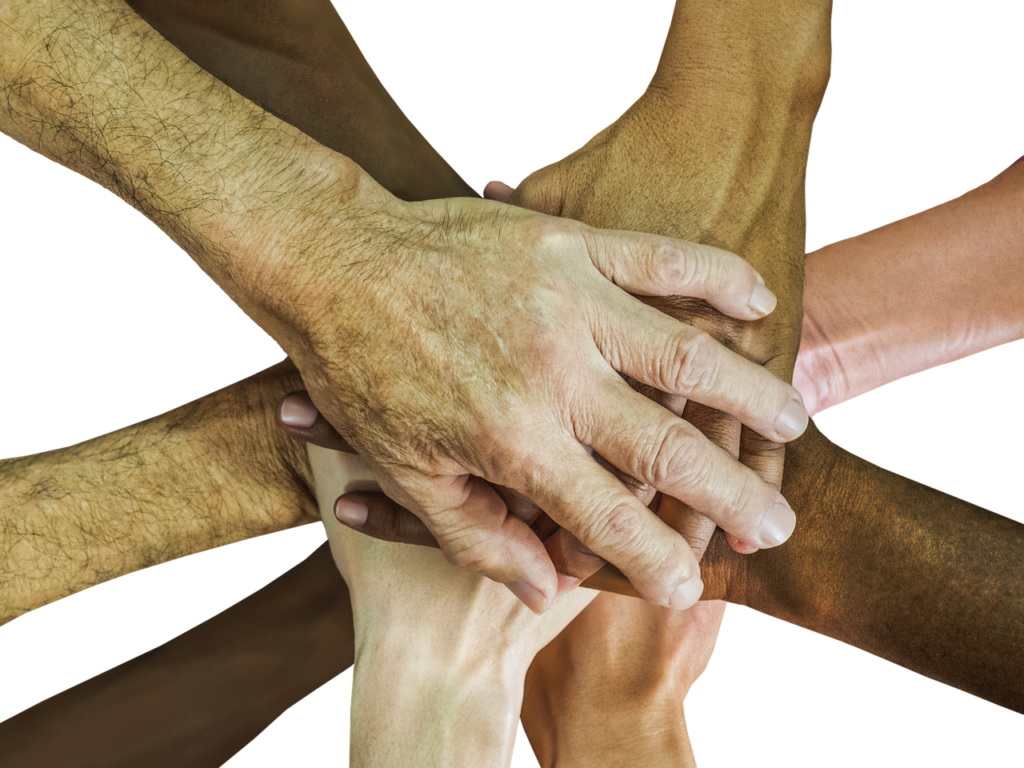
Diversity refers to the presence of differences among individuals, including race, ethnicity, cultural background, language, age, gender, disability, socioeconomic background, education, professional experience, perspectives, and lived experiences. Inclusion involves creating policies, practices, and environments that enable people with different backgrounds and experiences to participate meaningfully and contribute their knowledge, ideas, and talents. Belonging goes a step further by fostering an environment in which individuals feel welcomed, respected, and accepted without having to suppress important aspects of their identity to fit in. DIB help organizations build stronger relationships, encourage collaboration, and create environments where individuals can thrive.
In today’s increasingly interconnected and diverse society, organizations interact with employees, customers, patients, students, and community members whose experiences, expectations, communication styles, and needs may differ significantly. Recognizing and valuing these differences is important, but representation alone does not guarantee that everyone will have an equal opportunity to participate or feel that their contributions matter. Organizations may bring together people from many backgrounds while maintaining practices that unintentionally exclude certain voices or limit access to opportunities.
Developing a culture of inclusion and belonging requires an intentional commitment to identifying barriers, examining assumptions, addressing inequities, and creating opportunities for meaningful participation. It also requires recognizing that individuals experience the workplace and public services differently depending on their circumstances, identities, and previous experiences. DIB are shared responsibilities that must be reflected in everyday interactions, organizational policies, leadership decisions, and service delivery.
Leaders play an important role in establishing expectations for respectful behavior, encouraging open communication, and ensuring that employees have opportunities to contribute and grow. However, creating an inclusive environment is not solely the responsibility of leadership or human resources. Every employee contributes through the language they use, the assumptions they make, the way they respond to differing opinions, and their willingness to listen to perspectives that may challenge their own.
Inclusive behaviors include treating colleagues with respect, remaining open to feedback, recognizing unconscious assumptions, addressing inappropriate conduct, and ensuring that discussions provide opportunities for different voices to be heard. These practices can strengthen trust, improve teamwork, and help prevent misunderstandings from escalating into conflict.
A sense of belonging develops when individuals feel that they can participate authentically, ask questions, express concerns, and share ideas without fear of ridicule or unfair treatment. This does not mean that everyone must agree or that difficult conversations should be avoided. Rather, it means creating an environment where differences can be discussed constructively, disagreements are handled respectfully, and people are treated fairly even when their perspectives differ.
In healthcare, education, social services, and other public-facing environments inclusion, and belonging also influence the quality of interactions between professionals and the people they serve. Patients, clients, and community members may face barriers related to language, disability, cultural expectations, access to information, or previous experiences with institutions.
Organizations that recognize these barriers can take practical steps to improve accessibility, communicate more effectively, and create welcoming environments. For example, providing appropriate language assistance, using accessible communication materials, respecting individual preferences, and avoiding assumptions about people’s needs can help individuals participate more fully in decisions that affect them. Inclusive service delivery requires more than good intentions; it calls for practical strategies, appropriate resources, and a willingness to evaluate whether existing practices are meeting the needs of diverse populations.
Organizations that invest in these practices may benefit from stronger employee engagement, improved collaboration, increased innovation, better communication, and greater trust among employees and the communities they serve. When people feel respected and included, they are more likely to share ideas, raise concerns, contribute their expertise, and participate actively in problem-solving. Diverse perspectives can also help organizations identify overlooked challenges, question established practices, and develop solutions that better reflect the needs of their stakeholders.
Achieving these benefits requires ongoing attention rather than a one-time initiative. Organizations should regularly examine their workplace culture, review policies and procedures, invite feedback, identify barriers to participation, and assess whether their efforts are producing meaningful improvements. Training can support this process by helping employees and leaders develop greater awareness of bias, strengthen cross-cultural communication skills, navigate difficult conversations, and recognize the ways everyday behaviors influence inclusion and belonging.
At REACH, our training programs are designed to help organizations translate these principles into practical strategies that can be applied in the workplace and in interactions with diverse populations. Training topics can be customized to address organizational priorities and may include inclusive communication, unconscious bias, cultural awareness, respectful workplace interactions, psychological safety, equitable participation, and strategies for building trust across differences.
Through interactive discussions, practical examples, case studies, and guided reflection, participants can explore how their actions influence others and identify opportunities to contribute to a more inclusive environment. Each organization has its own culture, challenges, and goals. REACH works collaboratively with clients to identify relevant training needs and develop programs that reflect their workforce, professional responsibilities, and organizational objectives.
Whether your goal is to strengthen team relationships, improve communication, support inclusive leadership, or create a more welcoming environment for employees and the communities you serve, our training can help build the awareness and skills needed to make progress.
Creating a culture of DIB is an ongoing commitment to ensuring that people are not only represented, but also respected, heard, and given meaningful opportunities to participate and succeed. By investing in this commitment, organizations can foster stronger relationships, build trust, and create environments where differences are valued and everyone has the opportunity to contribute.
If you want to learn more, check out our training solutions related to Cultural Competence, Health Equity, and much more. Every training can be further customized to meet the individual needs of your team and/or organization and it can be delivered in-person or virtually.